












01. Introduction
Content:
Measuring blood pressure at home is one of the healthy habits that help you monitor your health condition and identify changes that may occur in blood pressure over time. However, getting a useful reading depends not only on owning a blood pressure monitor, but also on knowing the correct way to use it.
Some simple habits, such as measuring blood pressure immediately after walking or drinking coffee, or sitting in an inappropriate way, can affect the result shown by the device.
In this guide, we will learn how to measure blood pressure at home step by step, how to prepare for measurement, understand the numbers shown on the screen, and the mistakes to avoid for more reliable readings.
02. Why Is It Important to Measure Blood Pressure at Home?
Tracking Your Health Starts with Knowing Your Readings
Measuring blood pressure at home helps you track your readings across different days and times, instead of relying on a single measurement in the doctor's clinic. Blood pressure readings can vary from time to time, and can be affected by stress, physical activity, or some daily habits.
By recording readings regularly, you can form a clearer picture of the changes occurring in your blood pressure, and share this information with your doctor when needed. This tracking may be especially useful for people who have high blood pressure or are monitoring the effectiveness of their prescribed treatment.
However, it is important to know that home measurement does not replace medical examination, and you should not change or stop medication doses based on readings without consulting your doctor.
03. How Do You Prepare to Measure Blood Pressure at Home?
Preparation Steps Before Measuring Blood Pressure
Make these steps part of your routine before every measurement:
Avoid coffee and smoking: Refrain from caffeine, smoking, and exercise for at least 30 minutes before measuring.
Empty your bladder: Go to the bathroom before you start, because a full bladder can affect the reading.
Rest quietly: Sit in a quiet place for at least five minutes before using the device.
Choose the right position: Sit with your back supported by the chair and your feet flat on the floor, without crossing your legs.
Avoid talking: Do not talk or use your phone during the rest period or while measuring.
Prepare your device: Make sure the blood pressure monitor works properly, the battery is sufficient, and you are using it according to the manufacturer's instructions.
04. What Is the Correct Position While Measuring Blood Pressure?
The Correct Body and Arm Position for an Accurate Reading
The accuracy of a blood pressure measurement does not depend only on the quality of the device, but also on how you sit and position your arm during measurement. An incorrect position can lead to a reading that is higher or lower than your true blood pressure.
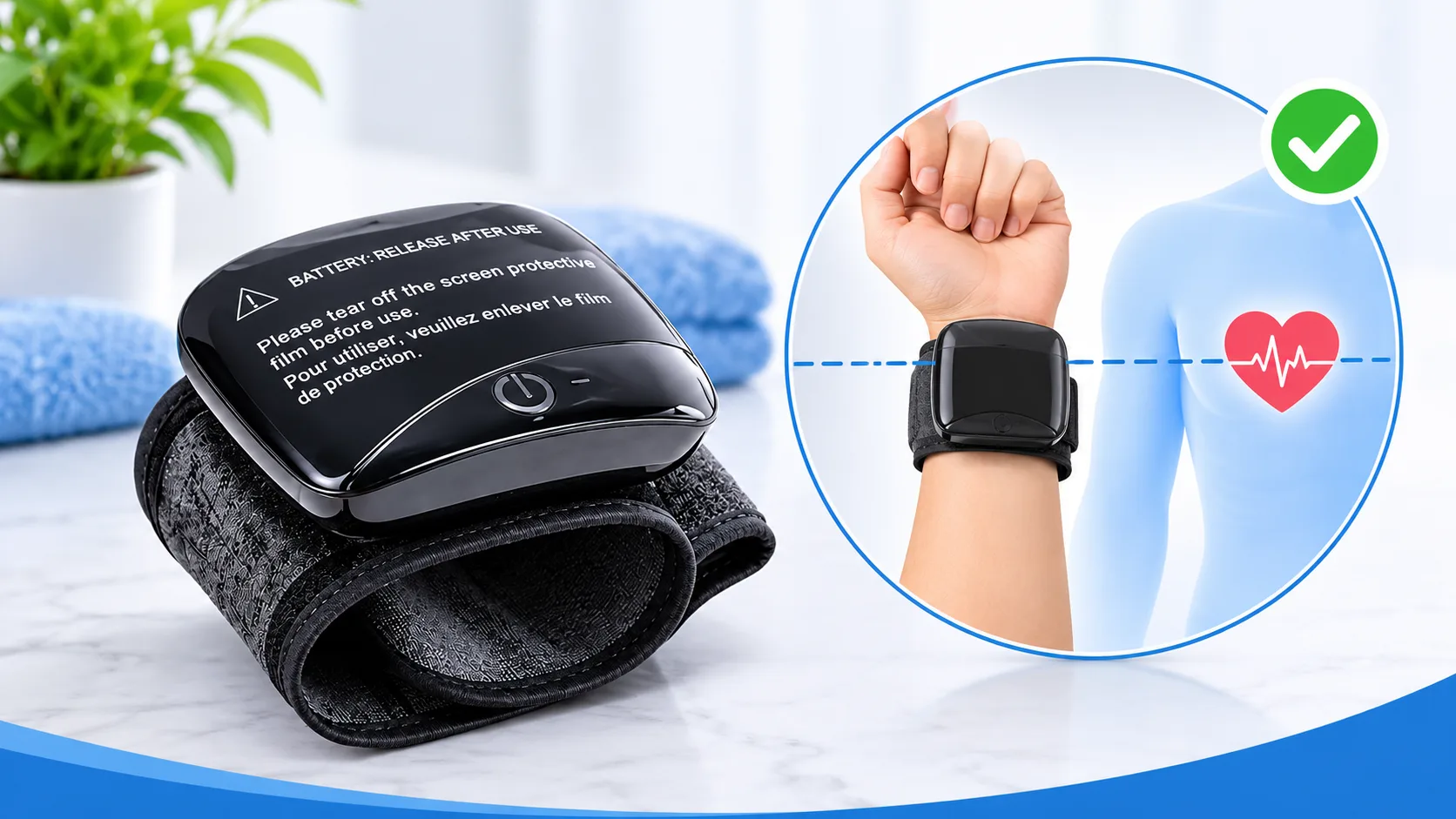
For a more reliable measurement, sit on a chair with your back supported, and place your feet flat on the floor without crossing your legs. Rest your arm on a table or a stable surface, keeping your wrist at heart level.
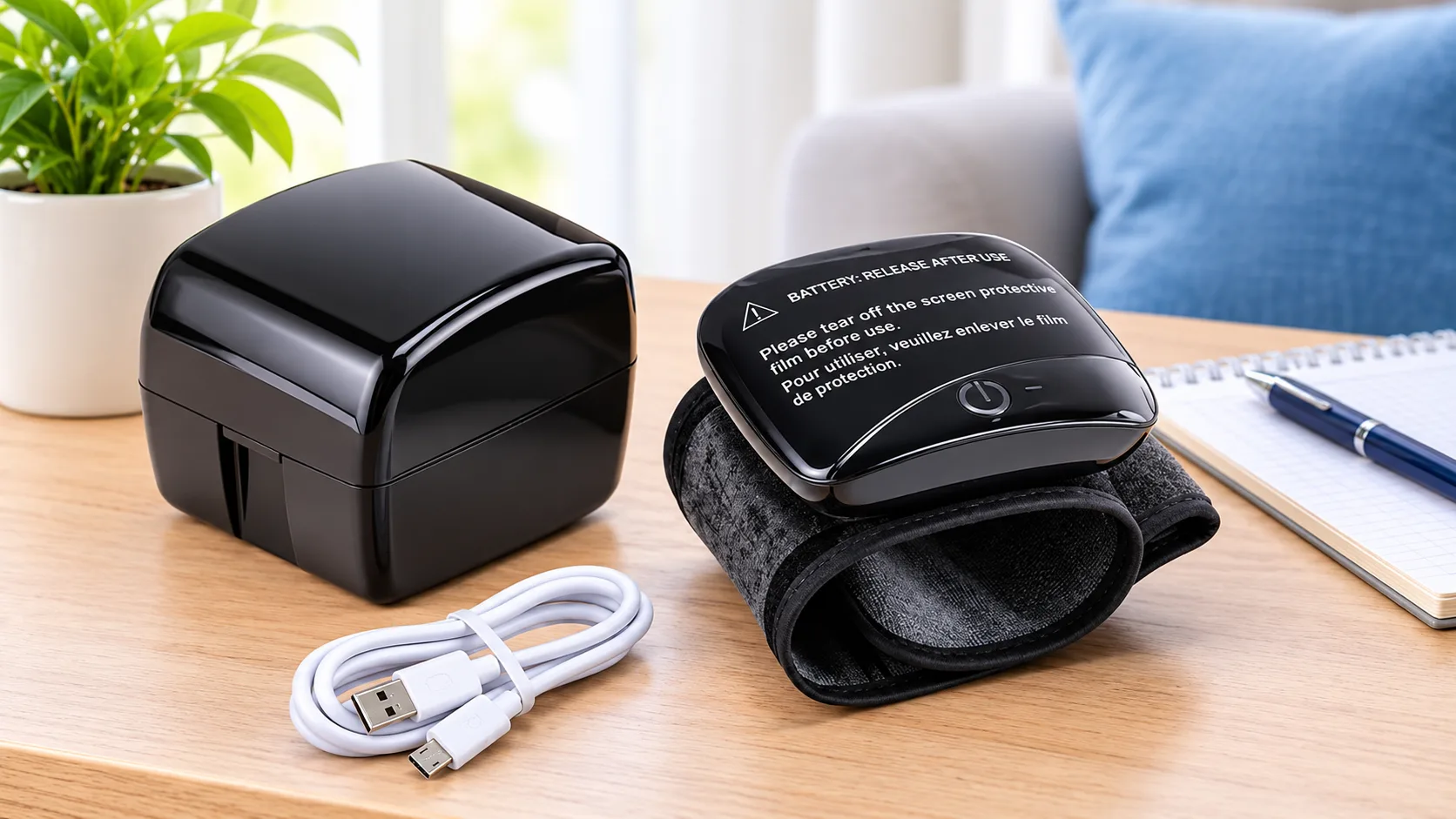
If you are using a wrist blood pressure monitor, place the device directly on the skin according to the manufacturer's instructions, and make sure the wrist cuff is secure without being overly tight. Raise your hand gently until the device is at heart level, and maintain this position throughout the measurement.
Avoid letting your arm hang down or raising it above heart level, and do not move your wrist or talk during measurement.
Remember that wrist devices may be more sensitive to differences in arm position compared to upper-arm devices, so it is important to follow the device instructions precisely. The American Heart Association generally recommends validated upper-arm blood pressure monitors, while a wrist device should be used when it is suitable for your condition and under medical guidance.
05. How Do You Measure Blood Pressure Step by Step with a Wrist Monitor?
Steps for Measuring Blood Pressure with a Wrist Monitor
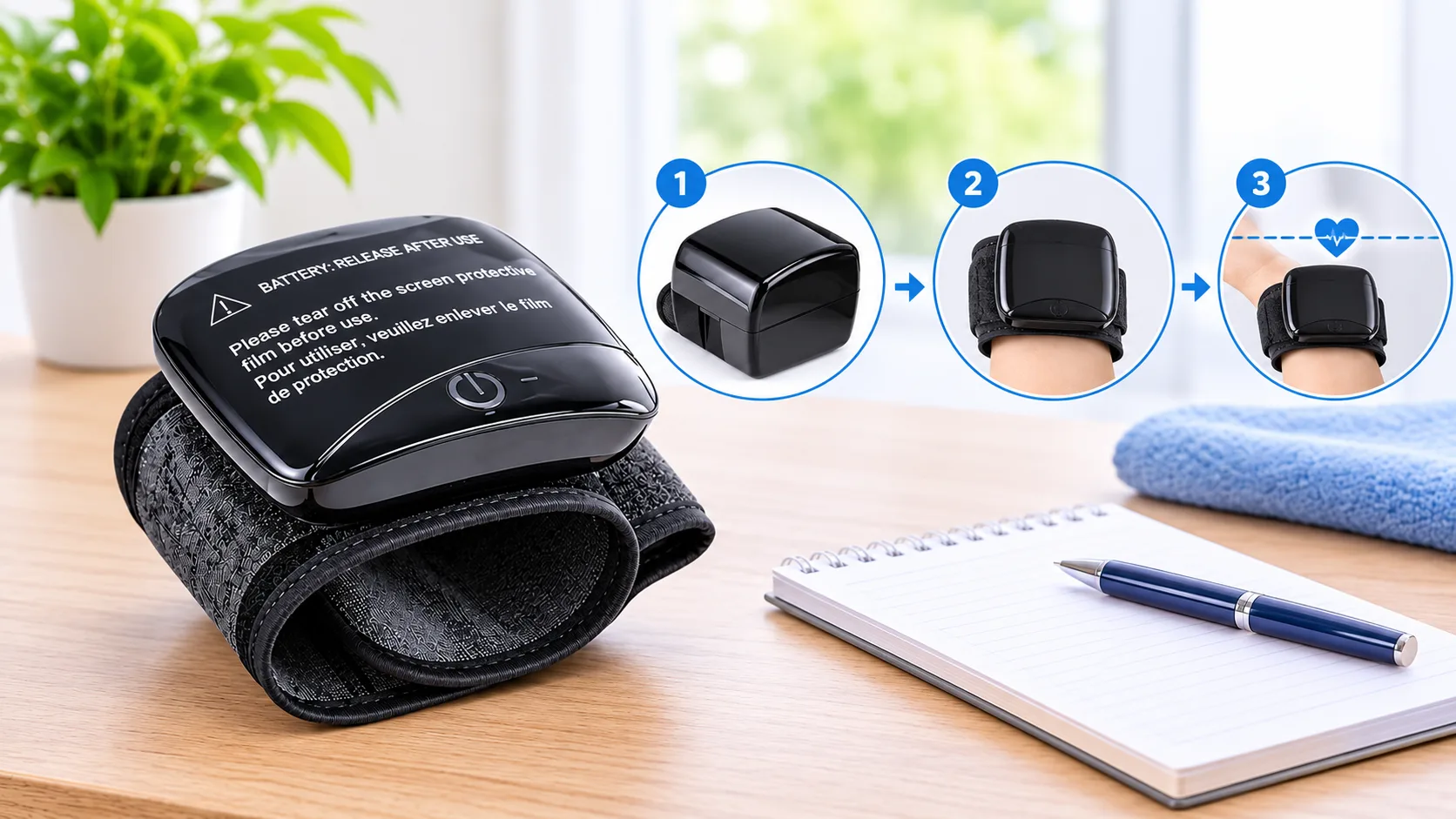
Follow these steps when using a digital wrist blood pressure monitor:
Sit and rest: Sit in a comfortable, calm position for at least five minutes before you begin measuring.
Expose the wrist: Remove your watch or any accessories, and do not place the device over clothing.
Secure the device: Place the device's cuff around your wrist according to the manufacturer's instructions, making sure the screen is in the correct position.
Position the arm at the right level: Rest your elbow on a table or a stable surface, and raise your wrist until the device is at heart level.
Start the measurement: Turn on the device and press the start button, then stay calm without moving or talking.
Wait for the result: Let the device complete the measurement automatically, and do not try to adjust your arm position during the process.
Record the reading: Write down the two numbers shown on the screen, along with the pulse rate if the device displays it.
Repeat the measurement: Take a second reading after at least one minute, and record both readings to compare them.
06. Steps for using a digital wrist blood pressure monitor to get a correct reading.
07. How Do You Understand the Blood Pressure Numbers on the Device Screen?
What Do Blood Pressure Numbers Mean?
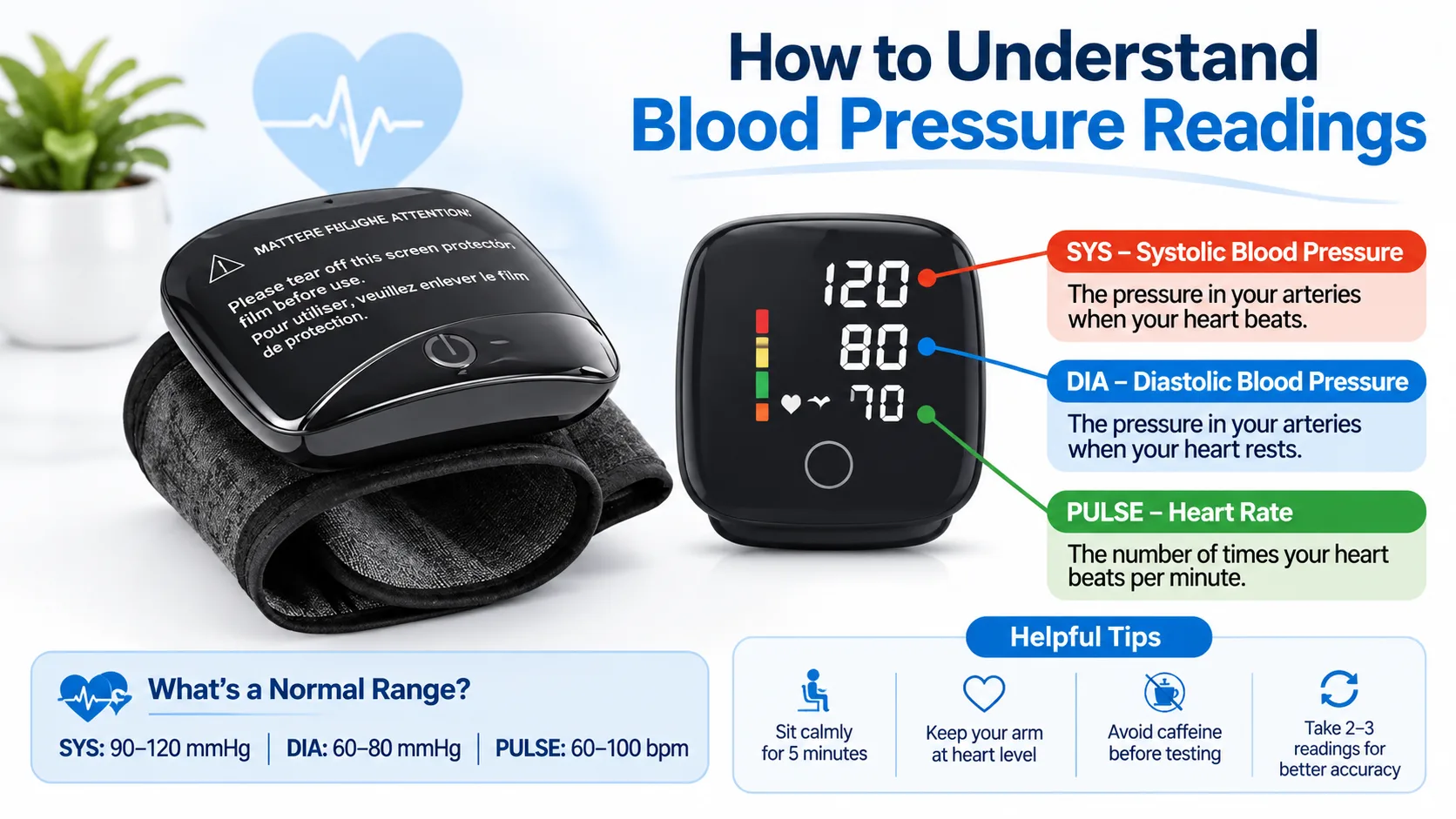
When you measure blood pressure, two main values usually appear on the device screen, and the heart rate may appear next to them. Each value has a different meaning that helps you understand the state of your circulation.
1. Systolic Pressure (SYS)
This is the top or first number in the result. It represents the pressure inside the arteries when the heart muscle contracts and pumps blood to the body.
2. Diastolic Pressure (DIA)
This is the bottom or second number. It represents the pressure inside the arteries when the heart muscle relaxes between beats.
3. Heart Rate (PULSE)
This indicates the number of times the heart beats in one minute, and is usually displayed in beats per minute (bpm). It is a different indicator from the blood pressure measurement itself.
Example:
If the device screen shows a reading of 120/80 mmHg, it means the systolic pressure is 120 and the diastolic pressure is 80 millimeters of mercury. If 72 bpm appears next to them, it indicates a pulse rate of 72 beats per minute.
Remember that a single reading is not always enough to judge your blood pressure level. Repeated readings should be reviewed and compared, and discussed with your doctor according to your health condition.
What Are the Normal Blood Pressure Ranges for Adults?
After understanding the meaning of the systolic and diastolic numbers, the next step is knowing how a blood pressure reading is classified. According to the American Heart Association's classifications for adults, readings are divided into the following categories:
Category
Systolic Pressure (SYS)
Diastolic Pressure (DIA)
Normal
Less than 120
and less than 80
Elevated
120–129
and less than 80
Stage 1 High Blood Pressure
130–139
or 80–89
Stage 2 High Blood Pressure
140 or higher
or 90 or higher
Severely High
Higher than 180
and/or higher than 120
How Do You Read These Categories?
A normal reading is when systolic pressure is below 120 and diastolic is below 80.
If one of the two numbers rises into a higher category, your blood pressure may be classified in that category even if the other number is lower.
A single high reading does not necessarily mean you have high blood pressure; diagnosis depends on evaluating repeated readings and the medical context.
When Should You Seek Medical Help?
If the reading exceeds 180 for systolic pressure and/or 120 for diastolic pressure, wait a minute and measure again. If it remains high, contact a medical professional immediately. If the reading is accompanied by symptoms such as chest pain, shortness of breath, sudden weakness, vision changes, or difficulty speaking, call for emergency help immediately and do not wait for your pressure to come down.
Remember that these classifications are intended for adults, and recommendations may vary by age and health condition. Consult your doctor to interpret your readings and determine what is right for your condition.
08. Common Mistakes That May Affect Blood Pressure Measurement Accuracy
Mistakes to Avoid While Measuring Blood Pressure
Even if you use a good digital device, some simple mistakes can affect the measurement result. Here are the most common mistakes and how to avoid them:
Measuring right after physical activity: Brisk walking or climbing stairs can cause a temporary rise in blood pressure. Rest for at least five minutes before measuring.
Having coffee or smoking before measuring: Caffeine and nicotine can affect the blood pressure reading. Avoid them for at least 30 minutes.
Sitting incorrectly: Not supporting your back or crossing your legs may affect the result. Sit upright with your feet on the floor.
Leaving the arm in the wrong position: When using a wrist device, the device must be at heart level, with the arm supported to avoid movement.
Placing the device over clothing: Place the device's cuff directly on the skin, according to the manufacturer's instructions.
Talking or moving during measurement: Stay calm and silent until the device finishes measuring.
Relying on a single reading: Results may vary from one measurement to another. Take two readings about a minute apart and record them.
Using an unsuitable or unvalidated device: Choose a reliable device suited to your condition, and verify its validation and accuracy with the relevant authorities.
Important tip: If your home readings differ greatly from the measurements you get at the clinic, bring your device to your medical appointment so the professional can compare the results and check how you use it.
How Do You Record and Track Blood Pressure Readings Regularly?
The importance of measuring blood pressure at home is not limited to knowing the result shown on the screen; it also includes keeping an organized record of your readings so you can notice changes and discuss them with your doctor.
Here are some tips to help you organize this tracking:
Set regular measurement times: Follow the schedule your doctor recommends, and try to take measurements at similar times each day.
Record every reading: Write down the systolic and diastolic pressure and the pulse rate if the device displays it.
Write down the date and time of measurement: So you can tell when each reading was taken and compare it with previous readings.
Note important details: Such as a missed medication dose, feeling stressed, or any unusual symptoms.
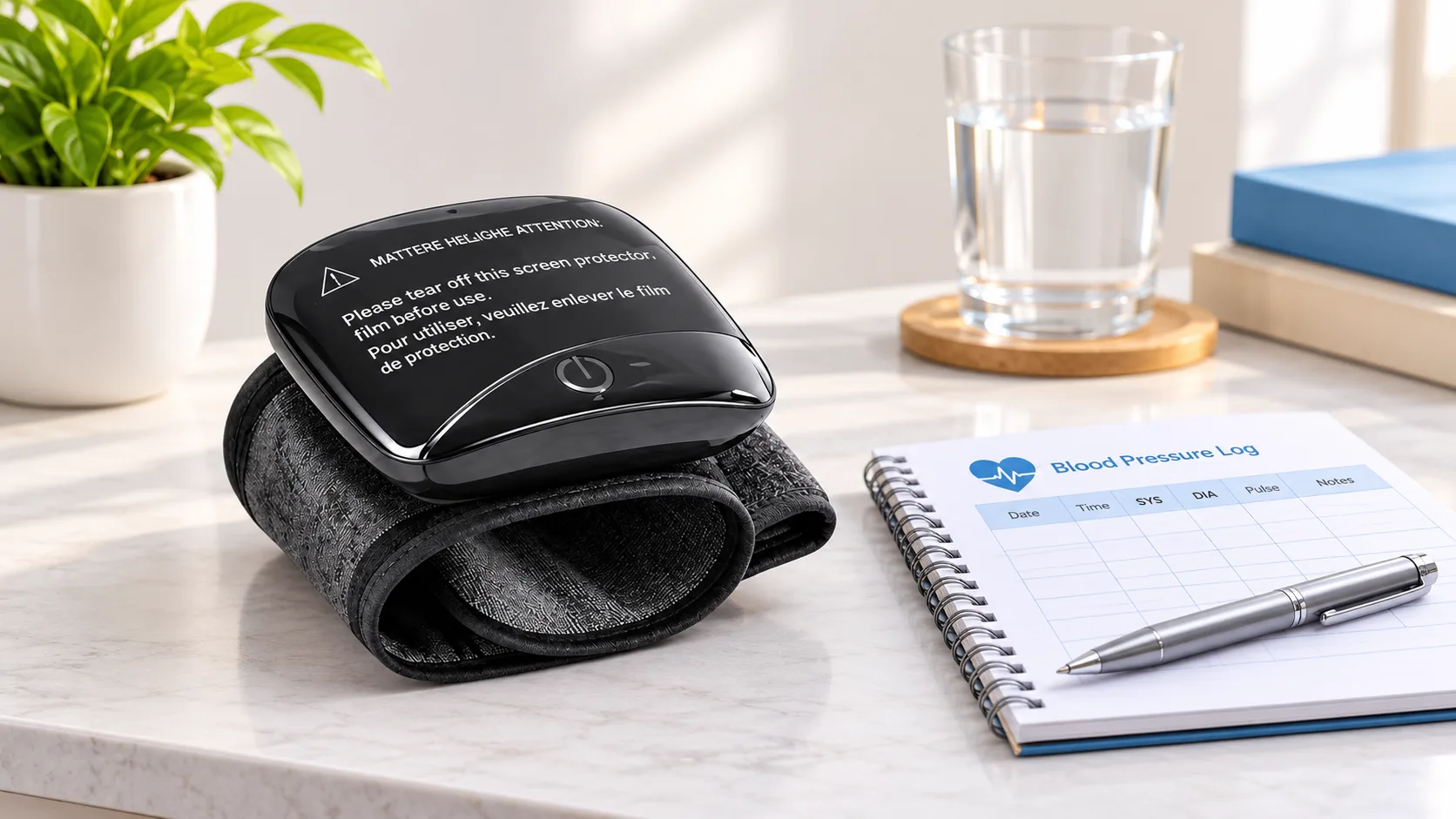
Keep a log of your readings: You can use a notebook or a phone app to make reviewing the results easier.
Share the results with your doctor: Bring your log to your medical visit to help the doctor assess your condition and make appropriate decisions.
Remember that the goal of recording readings is to follow the overall trend of your blood pressure, not to worry about every small change. Do not change your treatment or medication doses based on these readings without consulting your doctor.
09. When Should You Consult a Doctor About Blood Pressure Readings?
When Do Blood Pressure Results Require Medical Follow-Up?
Do not rely on a single reading alone to judge your blood pressure level. If you notice that your readings are repeatedly high, it is important to record them and share them with your doctor, so they can assess your condition and determine whether you need additional follow-up or an adjustment to your treatment plan.
Also consult your doctor if your readings vary widely from one time to another, if you develop unusual symptoms, or if you are unsure how to use the device or interpret the results.
When Is a Reading Very High?
If systolic blood pressure exceeds 180 mmHg and/or diastolic pressure exceeds 120 mmHg, wait one minute and measure again. If the reading remains high, contact a healthcare provider immediately.
If the high reading is accompanied by symptoms such as chest pain, shortness of breath, weakness or numbness, vision changes, or difficulty speaking, call emergency services immediately, and do not wait for your pressure to come down on its own.
Remember that a home blood pressure monitor helps you track your readings, but it is not a substitute for medical diagnosis or specialized consultation. Do not stop medications or change their doses based on device readings without consulting your doctor.
10. Conclusion: Make Measuring Blood Pressure a Healthy Habit
Simple Steps to Better Track Your Blood Pressure
Measuring blood pressure at home can be a useful way to track your health, provided you use the device correctly and follow the measurement guidelines.
For more reliable results, make sure to:
Choose a suitable, reliable device, and follow the manufacturer's instructions.
Sit and prepare properly before each measurement.
Position the wrist at the correct level when using a wrist device.
Record readings regularly and share them with your doctor.
Avoid making treatment decisions based on a single reading.
Most importantly, don't view the numbers as just results on a screen, but as information that helps you and your doctor monitor your cardiovascular health and make appropriate decisions.
11. Choose a Device That Helps You Track Blood Pressure at Home
Discover the Digital Wrist Blood Pressure Monitor
Would you like to track your blood pressure readings at home with ease?
Discover the digital wrist blood pressure monitor with an Arabic interface, designed to display your blood pressure reading and pulse rate, with a color indicator that helps you understand the displayed results.
Explore the device's details and features before choosing, and be sure to follow the usage instructions to get accurate readings. Remember that wrist devices require a precise position during measurement, and that choosing the right device for your condition is best done in consultation with a health professional.
12. Answers to the Most Common Questions About Measuring Blood Pressure
Frequently Asked Questions About Measuring Blood Pressure at Home
1. How often should blood pressure be measured at home?
It depends on your health condition and your doctor's guidance. If your doctor has asked you to monitor your blood pressure, stick to the schedule they set for you, and record the readings to review with them.
2. Can blood pressure be measured after drinking coffee?
It is best to wait at least 30 minutes after consuming caffeine before measuring, because caffeine can temporarily affect your blood pressure reading.
3. Is a wrist blood pressure monitor accurate?
A wrist device can give useful readings when used correctly, but wrist position is very important. The American Heart Association generally recommends validated upper-arm blood pressure monitors, because they are usually more reliable.
4. Does one high reading mean I have high blood pressure?
No. A single reading is usually not enough to diagnose high blood pressure. Readings should be monitored and evaluated by a doctor according to your health condition.
5. Can blood pressure be measured while moving or talking?
This is not recommended, because movement and talking can affect the accuracy of the result. Sit quietly and maintain a correct position throughout the measurement.
6. Should blood pressure be measured at the same time every day?
It is best to take measurements at similar, regular times according to your doctor's guidance, so you can compare results and follow changes clearly.
13. Monitoring Blood Pressure at Home: Questions and Answers
14. Track Your Health and Monitor Blood Pressure and Blood Sugar at Home
Get Your Essential Health Monitoring Tools in One Offer
Regularly tracking blood pressure and blood sugar helps you keep a clearer record of your health indicators and share the results with your doctor when needed.
If you are looking for home tools to monitor these two indicators, discover the health monitoring bundle offer, which combines:
A digital wrist blood pressure monitor with an Arabic interface.
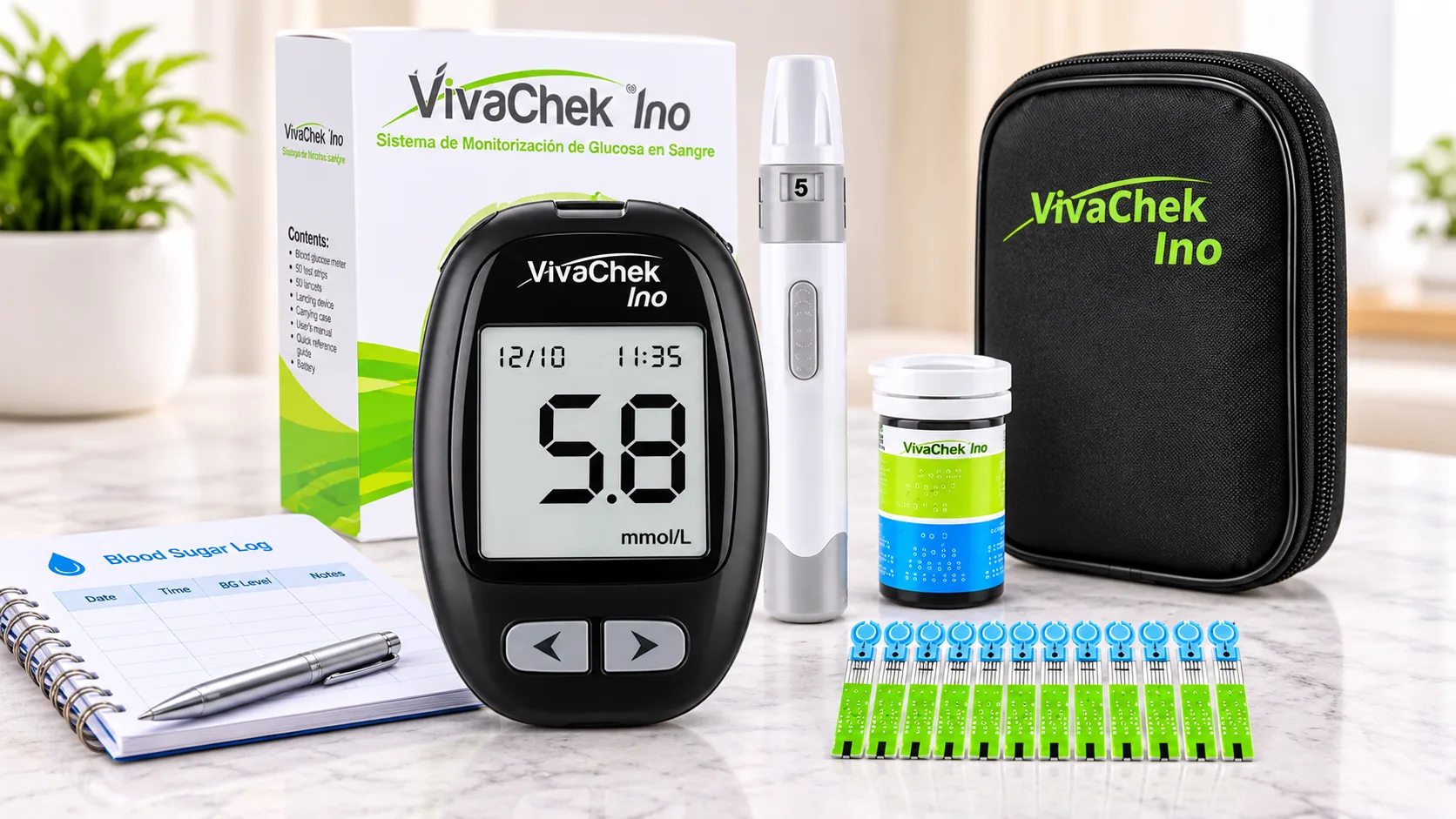
The VivaChek Ino digital blood glucose meter.
Learn about the bundle's details, contents, and price before ordering, and choose the tools that suit your needs.
15. Trusted Medical Sources and References
References Used in Preparing This Guide
This article was prepared based on information and guidance published by trusted health and medical institutions, with the aim of providing simplified information on measuring blood pressure at home, preparing for measurement, understanding results, and tracking readings.
You can refer to the following sources for additional information:
1. American Heart Association
A guide to monitoring blood pressure at home, including how to prepare for measurement and record results.
2. American Heart Association — Understanding Blood Pressure Readings
An explanation of blood pressure numbers, the different reading categories, and when results call for medical attention.
Link: https://www.heart.org/en/health-topics/high-blood-pressure/understanding-blood-pressure-readings
3. Mayo Clinic
Medical information about measuring blood pressure and the importance of following the correct method during the test.
Link: https://www.mayoclinic.org/tests-procedures/blood-pressure/about/pac-20393098